
The pragmatism
The pragmatism

- Philosophical tradition that seeks knowledge according to its practical consequences
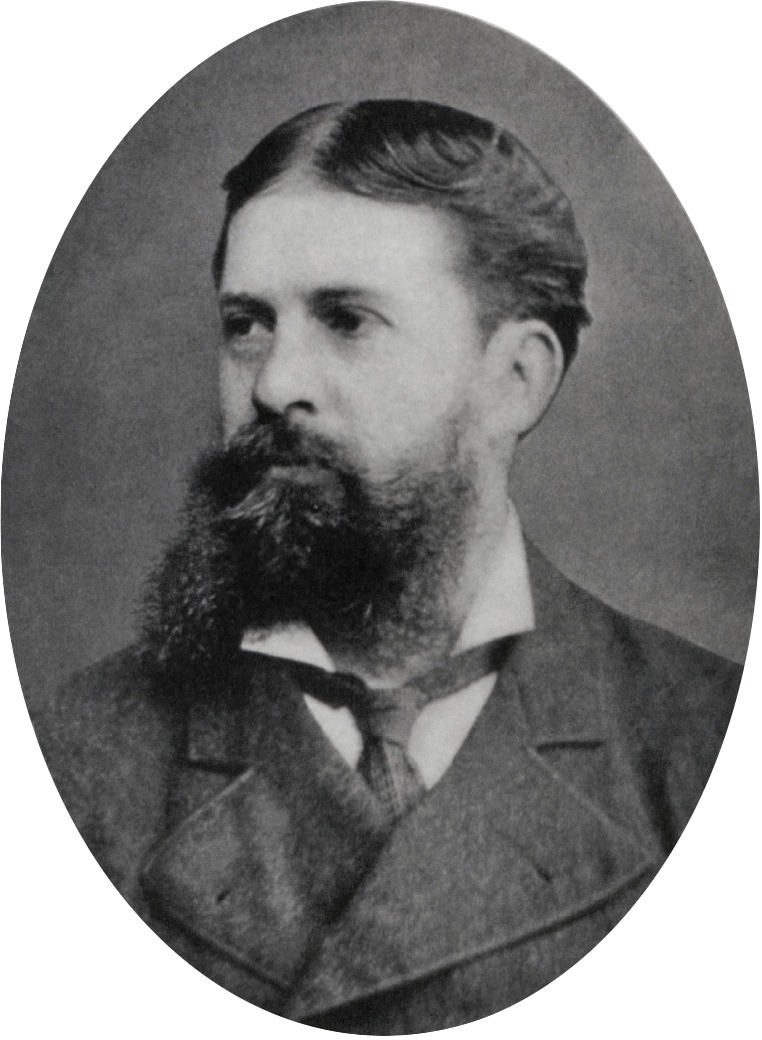
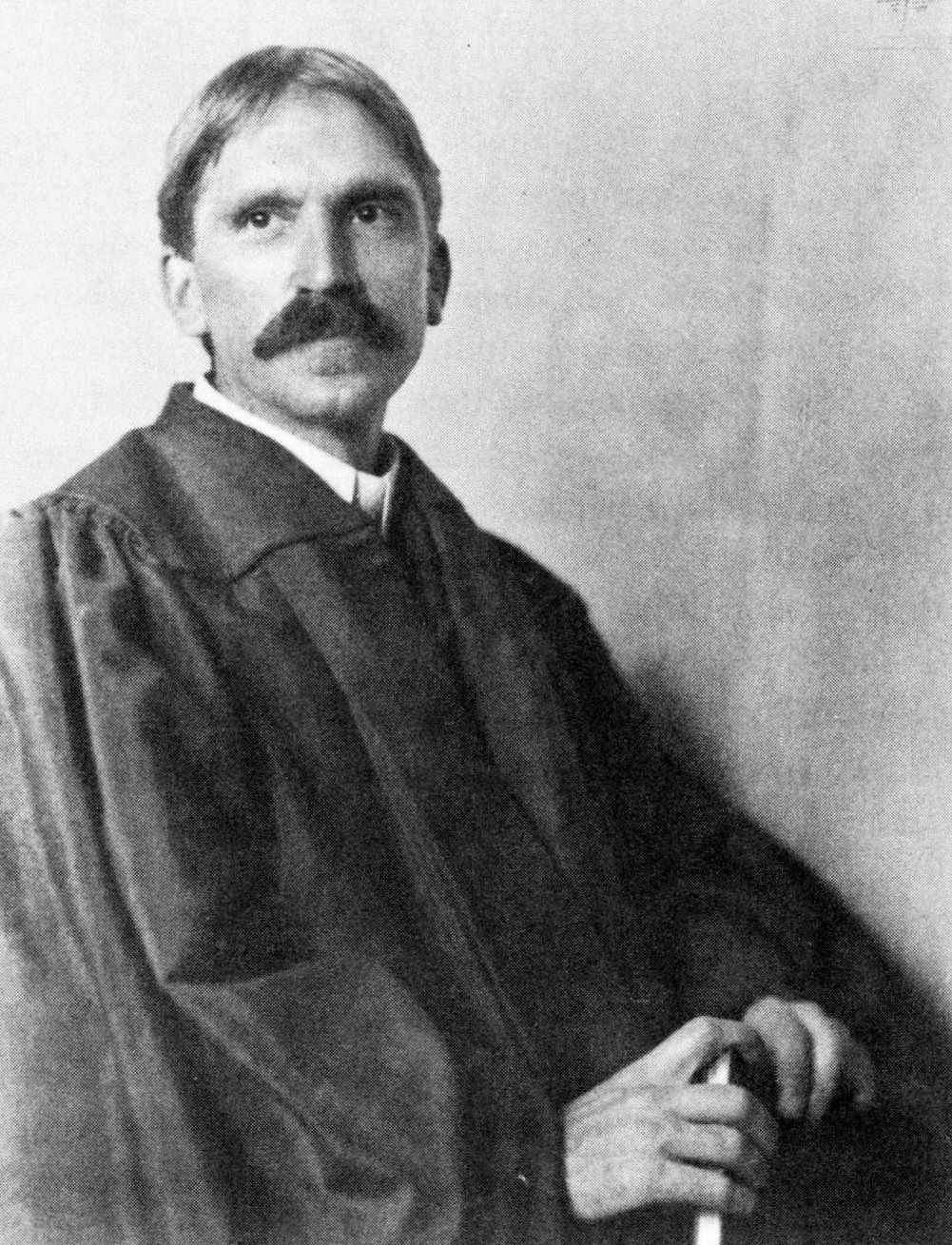
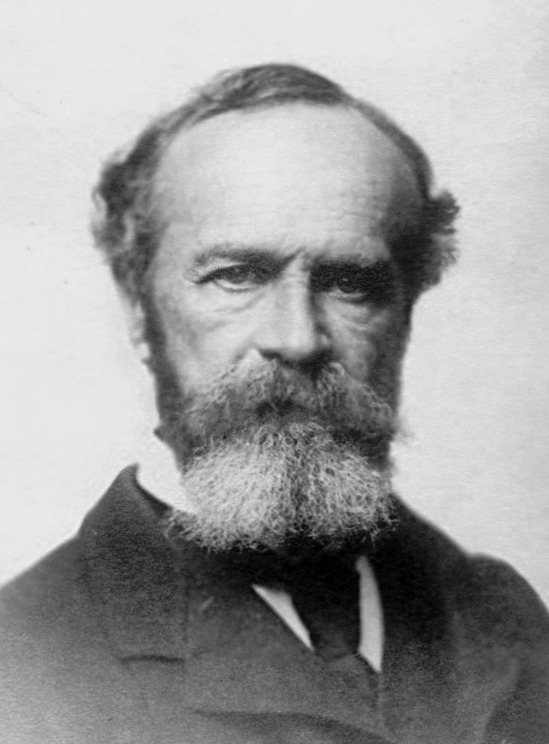
Pragmatism is a nineteenth-century philosophical tradition (EnciclopediaOnline.com, n.d.), was born formally in 1870 (Guzmán Martinez, n.d.) and states that the only valid knowledge is that which has practical utility. Among its main exponents are Charles Sanders Peirce, William James and John Dewey. This philosophical current starts with the premise that human beings are practical individuals and their intellectual faculties are to guide themselves in reality and not to investigate or know the truth (Malena, 2011).
Charles Sanders Peirce
[Public domain]
John Dewey
[Public domain]
William James
[Public domain]
References:
EnciclopediaOnline.com. (s.f.) Pragmatismo. Recuperado de https://enciclopediaonline.com/es/pragmatismo/
Guzmán Martinez, G. (s.f.). "Pragmatismo: qué es y qué propone esta corriente filosófica". En Psicología y Mente. Recuperado de https://psicologiaymente.com/cultura/pragmatismo
Malena. (2011) "El pragmatismo". En La Guía. Recuperado de https://filosofia.laguia2000.com/el-materialismo/el-pragmatismo
How to cite this article:
Nocetti, F.A. (2019). "The pragmatism". In NabbuBlog. Retrieved from http://nabbublog.blogspot.com/2019/04/the-pragmatism.html